Spotify Analysis
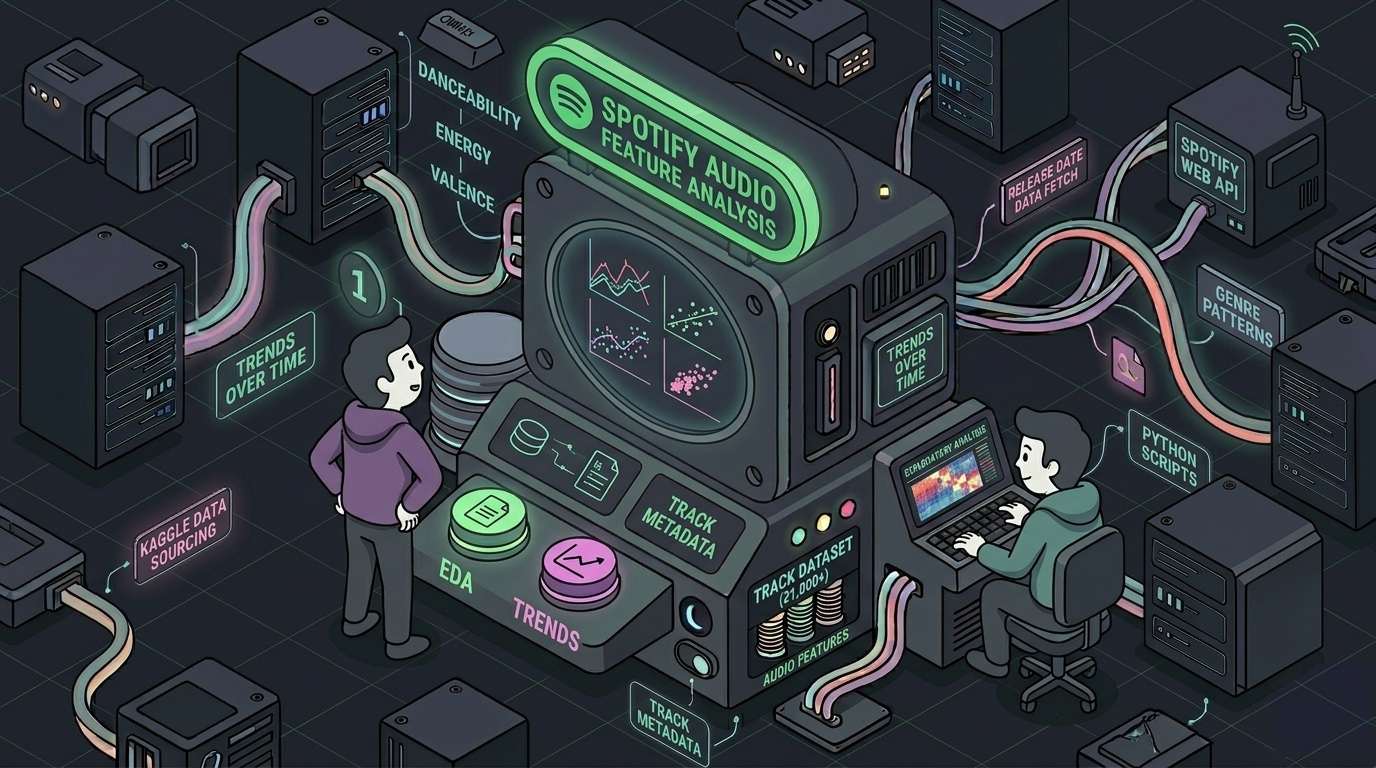
# Exploring Music Through Data: Spotify Audio Feature Analysis
# Introduction
Music is often described as emotional and subjective, but beneath that subjectivity lies a rich layer of measurable data. Platforms like Spotify analyze tracks using detailed audio features such as danceability, energy, and valence, offering a unique opportunity to study music from a data-driven perspective.
This project, Spotify Audio Feature Analysis, was designed to explore how these characteristics vary across genres, popularity levels, and time. By combining publicly available datasets from Kaggle with additional metadata retrieved via the Spotify Web API, the goal was to uncover patterns in how music evolves and what defines different styles of sound.
Built entirely in Python using tools like pandas, matplotlib, and seaborn, the project demonstrates how data analysis can transform raw music data into meaningful insights.
# Core Features
# Large-Scale Music Dataset Analysis
The project analyzes over 21,000 tracks, combining:
- Track metadata (artist, genre, popularity, duration)
- Audio features (danceability, energy, valence, tempo, etc.)
This scale enables more reliable insights into trends across genres and time.
# Enriched Data via Spotify API
To enhance the dataset, a custom script using the Spotify Web API (via Spotipy) was developed to fetch release dates.
This addition made it possible to:
- Track how music characteristics evolve over time
- Compare older vs modern music trends
# Interactive Exploratory Data Analysis
Using a Jupyter Notebook, the project provides:
- Visualizations of feature distributions
- Genre-based comparisons
- Correlation analysis between audio features
This interactive setup allows for iterative exploration and deeper insights.
# Genre & Feature Insights
The analysis focuses on questions like:
- What makes a genre “high energy” or “danceable”?
- How does valence (musical positivity) vary across genres?
- Do more popular songs share common characteristics?
These insights bridge the gap between technical metrics and human perception of music.
# Trend Analysis Over Time
With release date data integrated, the project explores:
- Shifts in musical energy and tempo across years
- Changes in genre popularity
- Evolution of emotional tone in music
# Datasets
Two primary datasets form the foundation:
spotify_track_metadata.csv- track-level metadataspotify_track_audio_features.csv- detailed audio metrics
These datasets are merged and cleaned using pandas for consistency and usability.
# Data Enrichment Pipeline
A custom Python script integrates with the Spotify Web API:
- Authenticated using API credentials
- Fetches missing release date data
- Appends enriched data back into the dataset
This step ensures the dataset is both complete and analysis-ready.
# Analysis
The core analysis is performed in a Jupyter Notebook, enabling:
- Step-by-step exploration
- Inline visualizations
- Rapid iteration on hypotheses
# Visualization
Data is visualized using:
- matplotlib for foundational plots
- seaborn for enhanced statistical graphics
These tools help transform numerical data into intuitive visual insights.
# Pictures
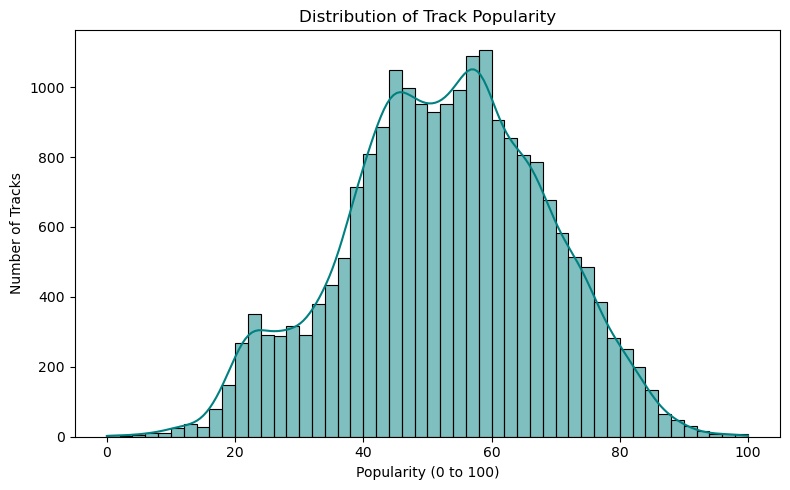
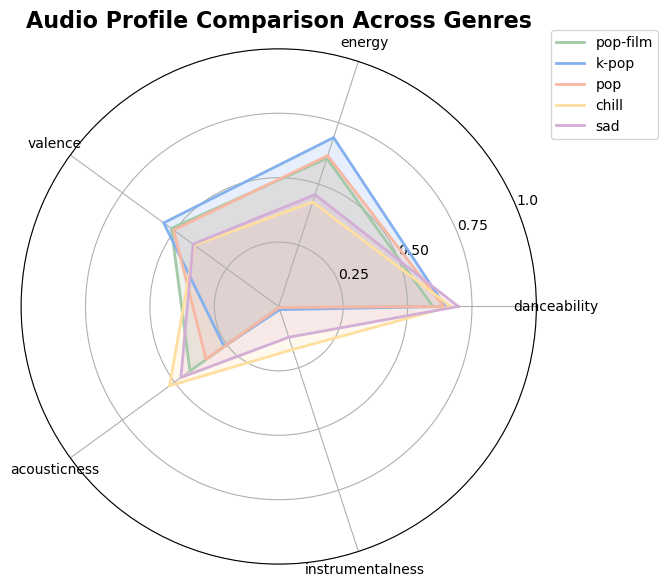
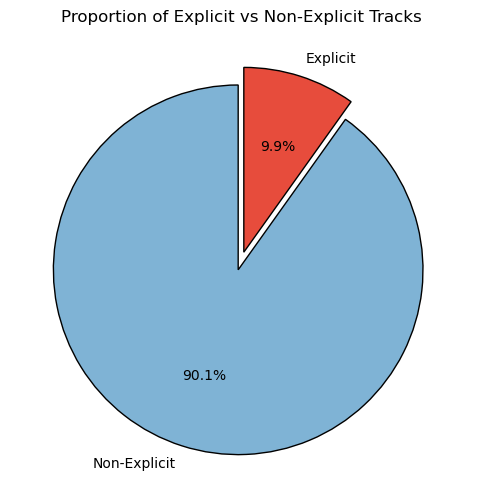
Spotify Audio Feature Analysis highlights how data can uncover patterns in something as subjective as music.
By combining structured datasets with API enrichment and exploratory analysis, the project demonstrates:
- How musical characteristics evolve over time
- What defines different genres at a quantitative level
- The relationship between audio features and popularity