Minesweeper 2.0
# Reinventing a Classic: Building Minesweeper 2.0
# Introduction
Few games are as iconic and deceptively simple as Minesweeper. Beneath its minimal interface lies a game of logic, probability, and careful decision-making. However, while the original game is timeless, it leaves little room for variation or innovation.
That’s exactly the challenge Minesweeper 2.0 set out to solve.
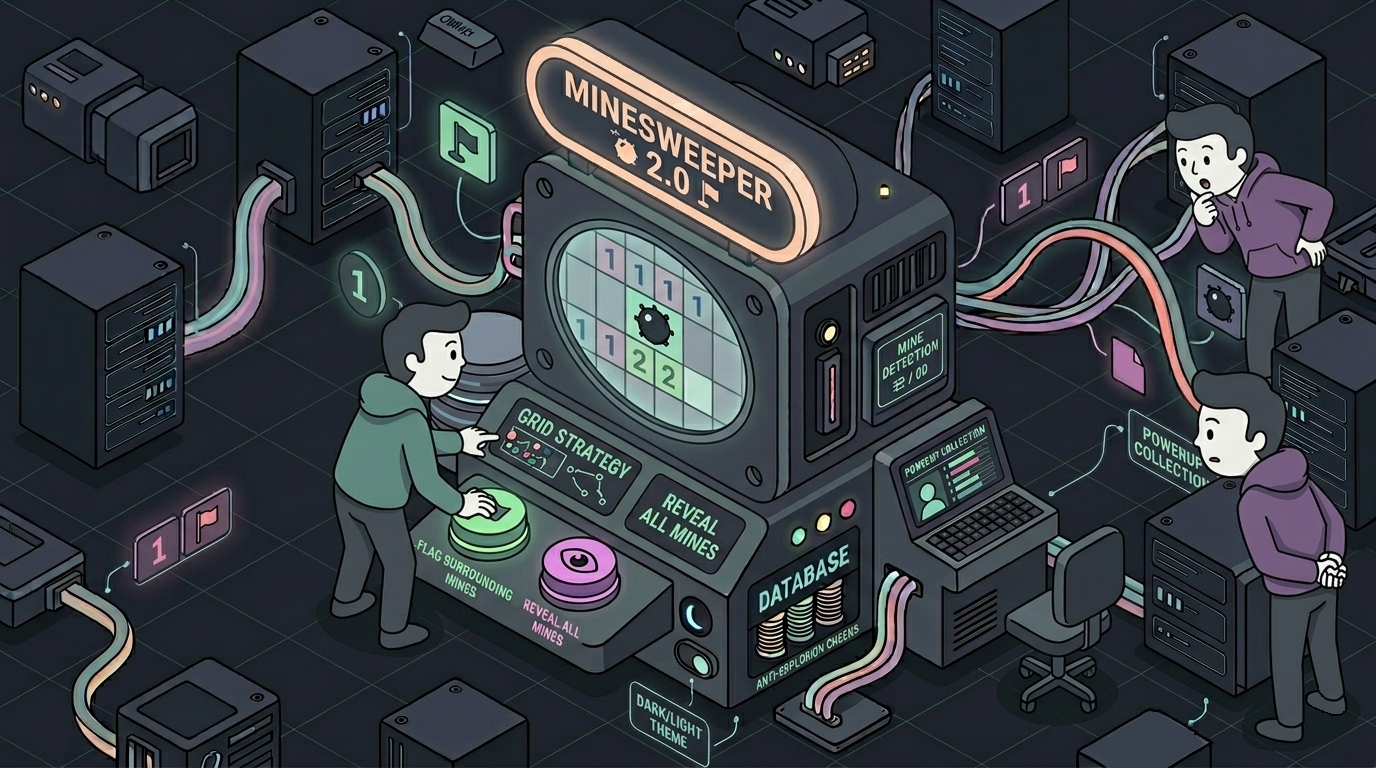
The goal of this project was to reimagine the traditional Minesweeper experience by introducing powerups, while preserving the core logic-driven mechanics that make the game so engaging. Built using C++ and the SFML graphics library, the project focuses on delivering a smooth, responsive, and visually intuitive desktop gaming experience.
# Core Features
# Powerups That Change the Game
The standout feature of Minesweeper 2.0 is the introduction of powerups, which add a strategic twist to traditional gameplay:
- Auto-Flagging Powerup: Instantly flags all mines surrounding a tile
- Temporary Mine Reveal: Briefly exposes all mine locations, giving players a short window to plan ahead
These mechanics transform the game from purely deductive into a hybrid of strategy and timing, making each session more dynamic and engaging.
# Classic Gameplay, Enhanced
At its core, the game remains faithful to the original:
- Left-click to reveal tiles
- Right-click to flag suspected mines
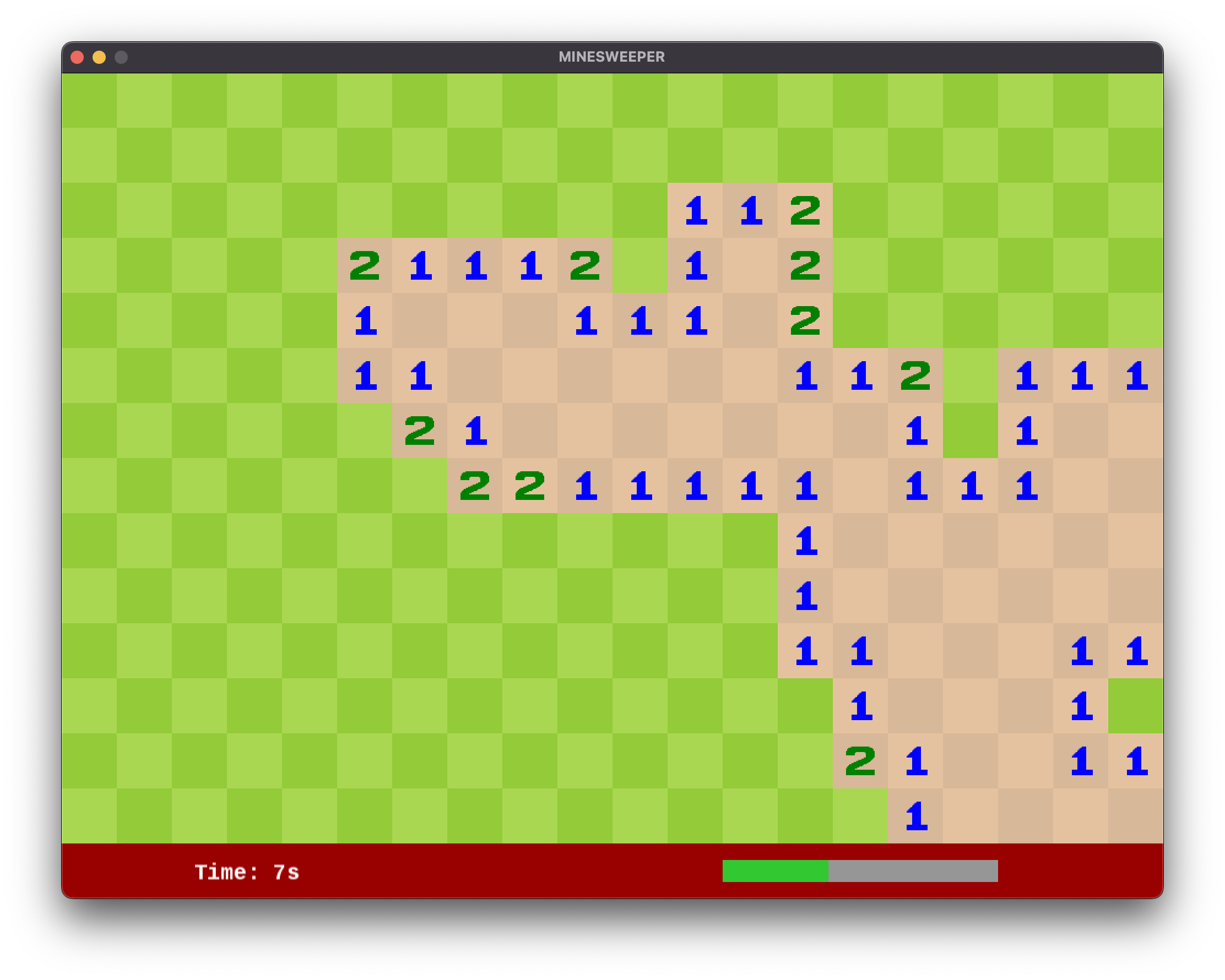
- Numbered tiles indicate adjacent mine counts
This balance ensures that both new players and experienced fans of Minesweeper can quickly adapt while still enjoying fresh gameplay elements.
# Customizable Difficulty
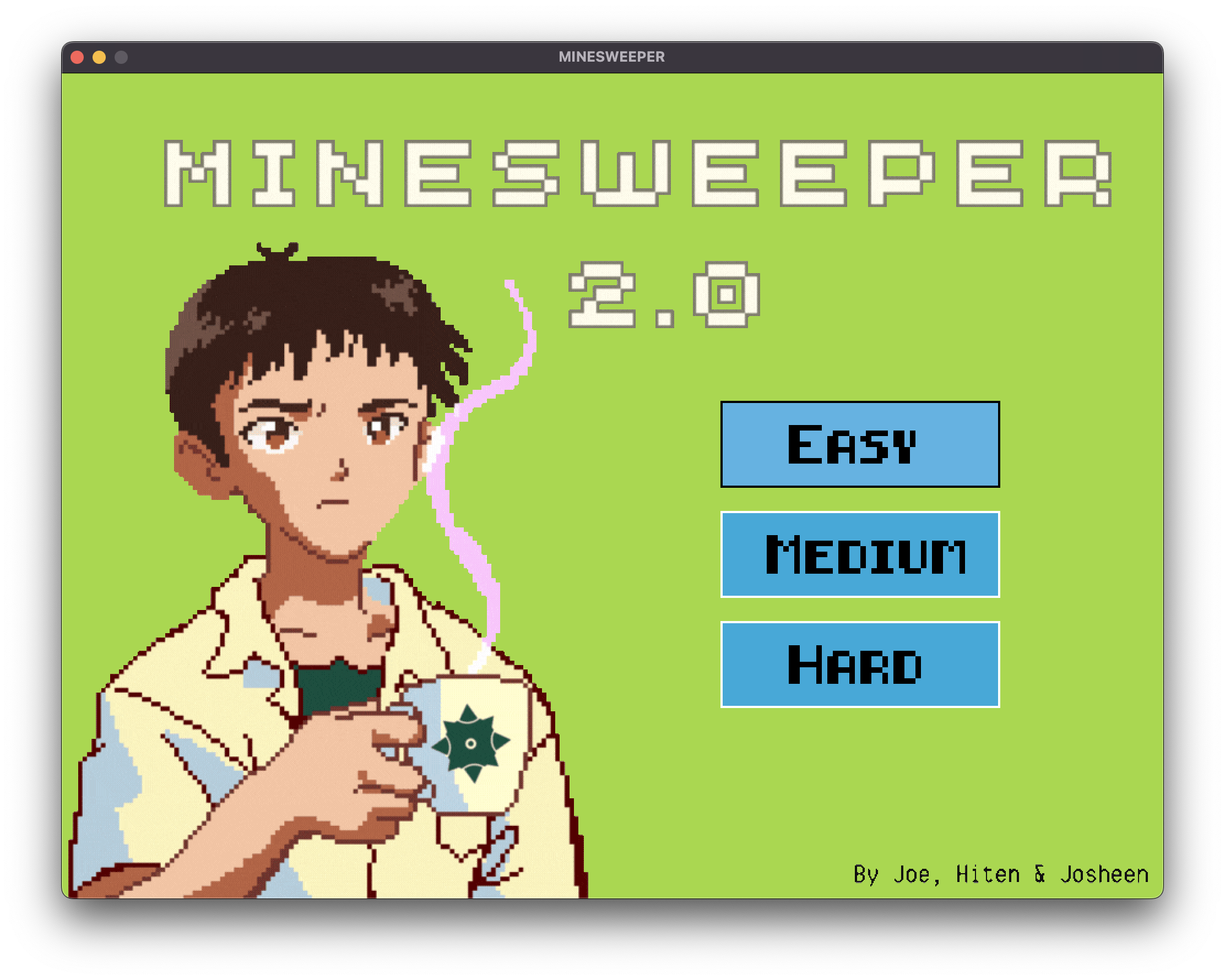
Players can choose from multiple difficulty levels, allowing:
- Beginners to learn the mechanics at a comfortable pace
- Advanced players to challenge their logical reasoning under pressure
# Smooth and Intuitive UI
Using SFML, the game delivers:
- Responsive tile interactions
- Clean visual feedback for game states (win/lose)
- Seamless transitions between screens
This ensures a polished user experience despite being a low-level implementation in C++.
# System Architecture
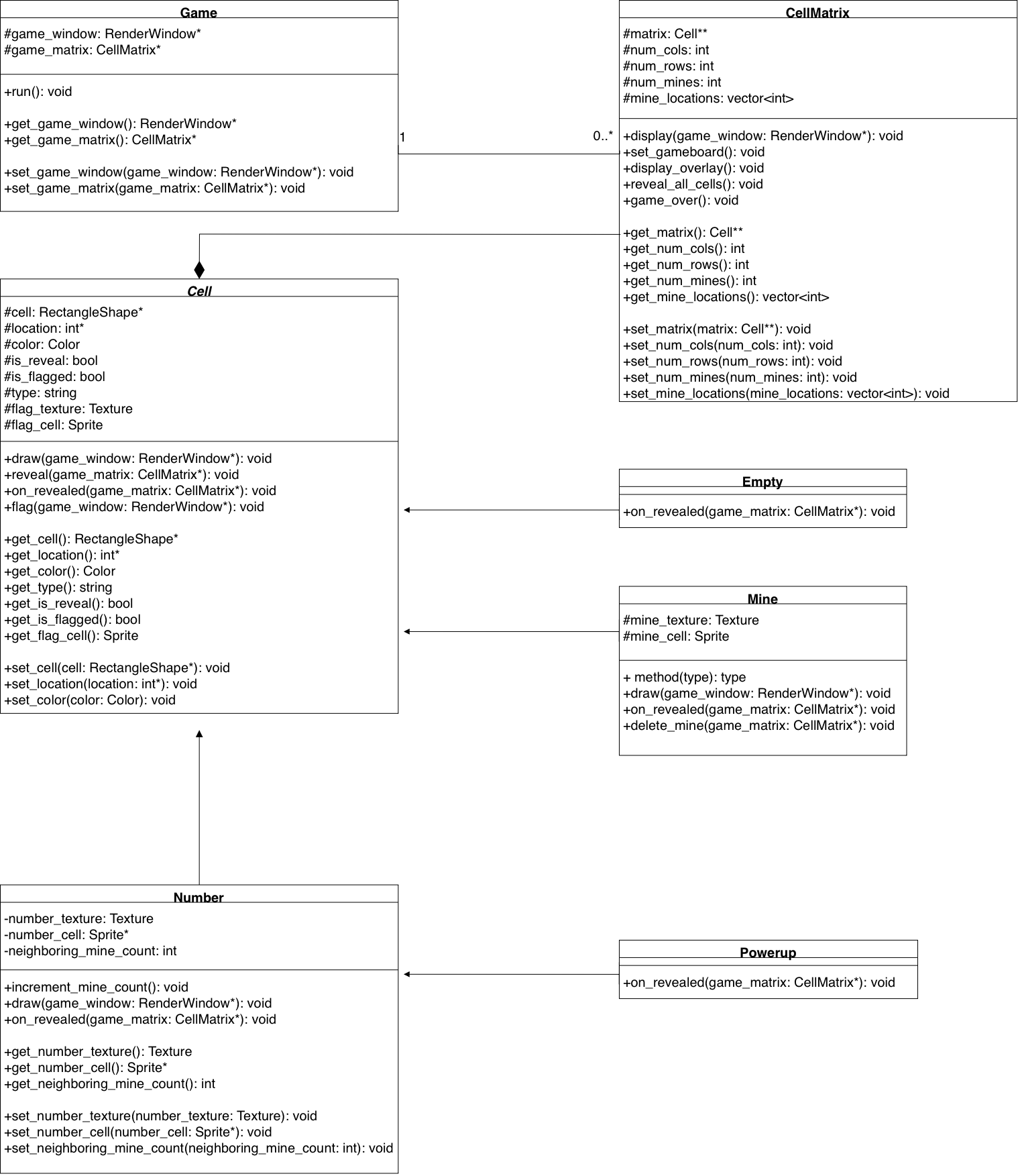
Minesweeper 2.0 was designed with simplicity, performance, and modularity in mind.
# Core Game Engine (C++)
The backbone of the application is written in C++, handling:
- Grid generation and mine placement
- Tile state management (hidden, revealed, flagged)
- Recursive reveal logic for empty tiles
- Powerup spawning and activation
The use of C++ allows for fine-grained memory control and performance efficiency, which is especially valuable for real-time game interaction.
# Rendering Layer (SFML)
The SFML library powers the graphical interface:
- Rendering the grid, tiles, and UI components
- Handling mouse input (left/right click interactions)
- Managing game loops and frame updates
SFML was chosen for its lightweight design and ease of integration with C++, making it ideal for building 2D games from scratch.
# Screenshots / Visuals
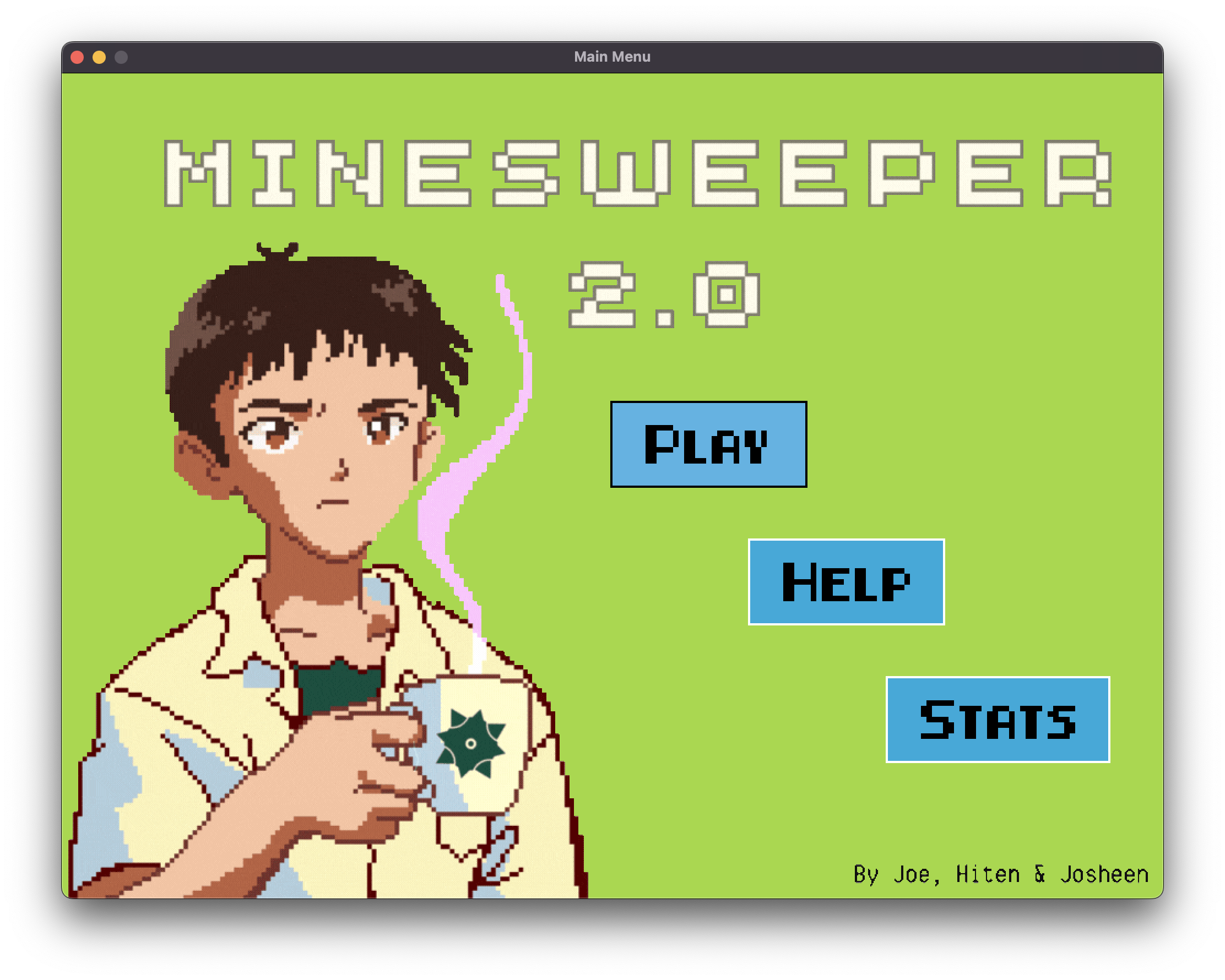
Here’s a look at Minesweeper 2.0 in action:
# Starting Screen
# Difficulty Selection
# In-Game Experience
# Closing Thoughts
Minesweeper 2.0 demonstrates how even the most classic games can be reimagined with thoughtful design and modern enhancements.
By introducing powerups and maintaining a clean, responsive interface, the project strikes a balance between nostalgia and innovation. From a technical perspective, it also showcases the power of combining low-level programming with multimedia libraries to build fully interactive applications from scratch.
More importantly, this project highlights how small gameplay changes, when implemented well can significantly elevate user experience and replayability.